Commercial Cleaning Excellence
Commercial cleaning and food hygiene professionals in Brampton support restaurants, food centers, bakeries, warehouses, and mobile food services maintaining standards. They decontaminate high-contact points, food contact areas, equipment, floors, drains, restrooms, and food handling spaces with approved chemicals, maintaining proper ratios, and recording exposure duration. You require regular sanitation determined by risk, volume, food allergies, and regulatory assessments, along with documented proof backing Hazard Analysis Critical Control Points, quality reviews, and public health compliance. The sections below explains how effective cleaning systems must contain.
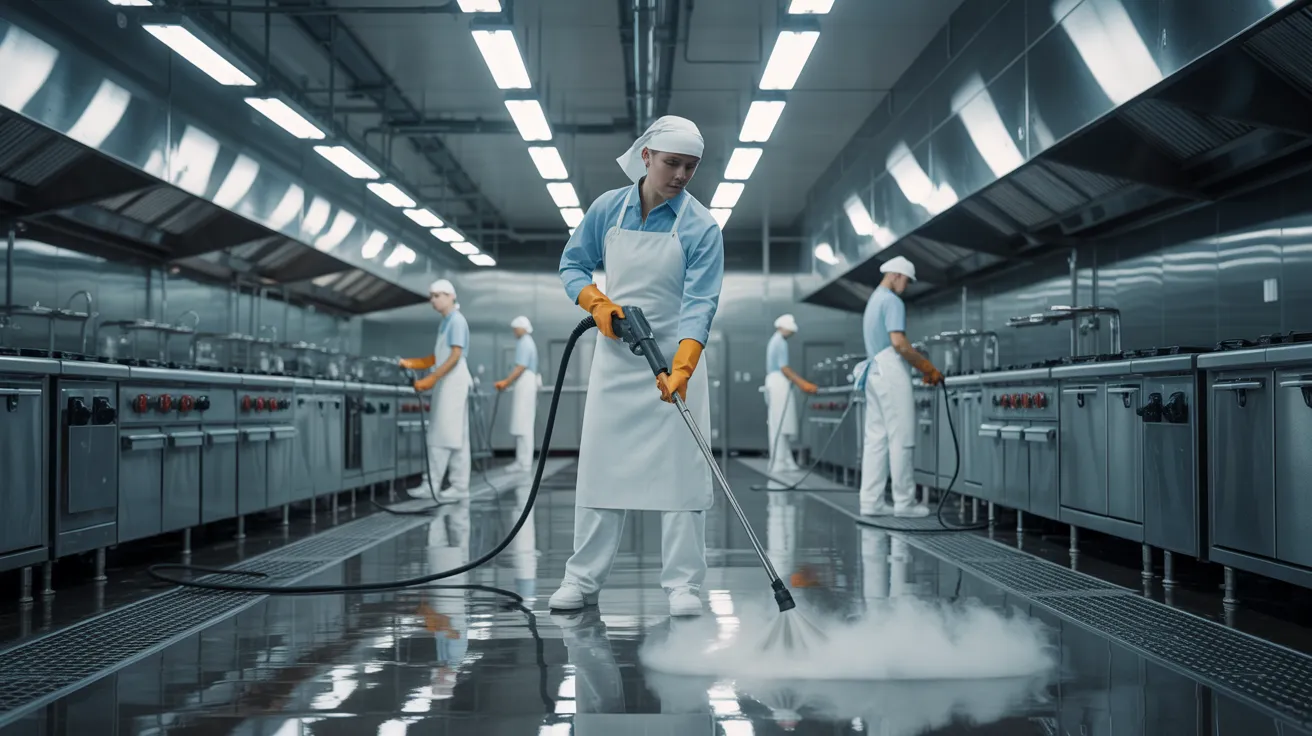
Essential Summary
- Sanitation technicians from Brampton service restaurants, grocery departments, commissaries, warehouses, bakeries, schools, mobile vendors, and allergen-sensitive operations.
- Frequently contacted areas, food-contact equipment, kitchens, floors, drains, restrooms, and storage areas are treated using zone-based workflows to reduce cross-contamination.
- Confirmation of proper chemical concentration, alignment, and exposure duration is conducted by approved contractors, with finishing recorded using samples, audits, and action records.
- Hazard, production rate, transitions, releases, and guidelines should guide sanitation schedules, with daily, recurring, and annual operations designated by zone.
- Providers ought to exhibit HACCP, sanitation understanding, WHMIS instruction, liability, testimonials, color-categorized instruments, and audit-ready sanitation files.
What Brampton Venues Require Food Safety Cleaning?
Food safety cleaning is necessary for any Brampton facility that processes, stores, prepares, packages, or serves food. Apply it to your operation if it meets the criteria for public health inspection, food premises regulations, or internal HACCP-based controls. This includes eateries, cafes, warehouses, supermarket areas, meat markets, fish stands, convenience outlets, and institutional food areas.
You also need documented food sanitation in supply warehouses, manufacturing facilities, refrigerated storage, bakeries, school feeding programs, reception facilities, and delivery centers. Mobile and seasonal operations count too, including food trucks, event vendors, and temporary booths. If your staff work with raw supplies, divide prepared foods, warm dishes, or organize allergen inventory, your facility needs documented cleaning protocols. In Brampton, food safety isn't voluntary; it's part of statutory, business, and public health compliance.
What Services Do Brampton Cleaning Experts Provide?
You require experienced cleaning professionals who sanitize frequently touched areas, cooking areas, flooring, and restroom facilities to maintain food safety and public health requirements. These areas are targeted due to their high cross-contamination potential, slip and fall dangers, and health code violations.
Understanding their cleaning procedures allows you to confirm your operation's sanitation satisfies operational demands and regulatory compliance.
Critical High-Touch Surface Cleaning
establish a sterilization schedule
confirm that cleaning was proper
Cooking Zones, Walking Surfaces, and Restroom Environments
Professional cleaners in Brampton concentrate on kitchens, floors, and restrooms given that each location involves distinct contamination control, falling hazards, and public health requirements. In industrial kitchens, you need degreasing on cook lines, equipment exteriors, drains, prep surfaces, and splash zones to reduce bacterial growth and pest activity.
Professional floor care with documentation is also included. is likewise provided as part of the service.
For restroom sanitation, cleaners sanitize touchpoints, fixtures, partitions, dispensers, and waste containers, then refill items and eliminate smells. They also service restaurant moprooms, where chemical storage, sink hygiene, and drainage conditions can affect sanitation compliance and staff safety daily.
Food Safety Cleaning Significance for Brampton Businesses
Brampton businesses need to establish food-safe cleaning standards for satisfying health code requirements and obtaining approval. You also minimize bacterial spread through proper cleaning of food-preparation surfaces, appliances, and frequently-touched items. Most importantly, you safeguard public health by lowering the risk of foodborne illness in your facility.
Food Safety Regulations
Food businesses in Brampton face strict public health standards, making food safety cleaning vital to fulfilling health code requirements, safeguarding patrons, and avoiding enforcement action. You must maintain sanitary food-contact surfaces, verifiable cleaning logs, proper chemical use, and auditable operational standards that comply with municipal and provincial inspection expectations.
When inspectors evaluate your operation, they evaluate whether your sanitation system supports proper stock preservation, tool sterilization, waste handling, and washroom maintenance.
Cross-Contamination Prevention
Maintaining regulatory compliance copyrights on your power to stop cross-contamination during daily food handling and cleaning. You must separate raw ingredients from ready-to-eat foods, sanitize prep surfaces between tasks, and position cleaning agents away from food surfaces. Clear procedures reduce transfer risks and support consistent compliance during inspections.
You should implement allergen segregation to prevent major allergens from touching common work areas, storage bins, or tools. Use dedicated cutting boards, color-coded tools, and careful equipment identification so employees avoid combining products throughout cooking or serving. Require handwashing after handling uncooked proteins, shellfish, egg items, or allergen products. Change cleaning rags frequently, and check disinfectant potency using test kits. When you train staff to follow these controls every shift, you create a cleaner, safer operation that satisfies Brampton's safety standards daily.
Community Health Safety
When food safety cleaning deteriorate, you don't only face inspection setbacks—you expand the chance of foodborne illness striking customers, staff, and the larger Brampton community. You also weaken your role in protecting public health, especially in busy food facilities where pathogens travel quickly through surfaces, equipment, and touchpoints.
You must implement sanitation protocols that remove soils, properly disinfect, and verify results. This involves maintaining contact periods, utilizing authorized sanitizers, maintaining records, and training employees to fulfill health-unit expectations. These actions support pathogen control by suppressing pathogens before affecting food surfaces or hands. In Brampton, effective cleaning protects at-risk groups, minimizes disease spread, and demonstrates accountability. When you adhere to proper protocols, you exceed requirements—you substantially reduce risk and promote secure food service across the region.
How Can Cleaning Practices Ensure Food Safety Compliance?
Maintaining rigorous cleaning routines supports food safety compliance by minimizing contamination hazards, managing pathogen expansion, and keeping your facility in accordance with sanitation requirements under HACCP-based programs and public health regulations. You confirm that food-contact surfaces appear visibly clean and microbiologically controlled, facilitating documented preventive controls and inspection readiness.
Effective cleaning also enhances allergen management by removing residues that can trigger undeclared allergen exposure. by eliminating residues that can provoke undeclared allergen exposure.
What's the Right Time to Schedule Commercial Cleaning?
cleaning routines or between production runs wherever food contact surfaces, bathroom facilities, and frequently touched surfaces
Facilities [[hosting promotions, catering, or public functions
What Should You Look For in Brampton Cleaning Experts?
Begin by evaluating providers based on sanitation compliance standards—not solely on budget. You should confirm that each organization comprehends CFIA, public health, and HACCP-based requirements applicable to your facility. Request proof of insurance, WHMIS compliance, staff training documentation, and oversight procedures. Assess whether technicians recognize cross-contamination risks, chemical handling protocols, and verifiable sanitation records.
You should further examine operational reliability and answerability. Request references from food facilities in Brampton, then review reply speed, corrective-action procedures, and communication standards. Validate the company supports supplier audits and can supply compliance documentation to authorities or third parties. Confirm equipment is maintained, colour-coded tools are used appropriately, and site-specific hazards are recognized. A experienced service ensures regulatory compliance, product quality, and your reputation in the market.
What's included in a sanitation cleaning strategy?
Create a documented strategy that clearly outlines every sanitation duty, guideline, and expectation before production starts. You should document cleaning schedules, authorized products, mixing ratios, exposure periods, equipment, and testing procedures for each zone, surface, and piece of equipment. Don't forget to add pre-operational inspections, corrective actions, and employee training requirements.
Your plan should also cover contamination prevention, garbage management, pest control procedures, and recorded timelines for bathrooms, drainage systems, surfaces, and food-preparation zones. Explain how you'll separate raw and ready-to-eat processes, support ingredient tracking, and ensure accurate allergen labeling through validated cleaning between product changes. You should designate accountability, maintain signed records, and compare results against regulatory standards, HACCP controls, and customer requirements. When gaps appear, revise procedures immediately and re-educate staff.
Popular Inquired Inquiries
Will sanitation providers manage nighttime hours at Brampton properties?
If you operate regulated spaces, you'll also need documentation that support inspections and maintain compliance.
Are emergency spill response services available from Brampton cleaning experts?
Yes, you can find many Brampton cleaning professionals offering emergency response options. They handle contamination, evaluate risks, contain affected areas, and perform swift decontamination to minimize risk and limit operational impact. You should confirm timeframes, training credentials, protocols, and procedures. If your facility needs compliance, pick a provider that logs events, maintains standards, and supports audits.
Can green disinfectants be deployed safely on food preparation areas?
Definitely, natural disinfectants work safely on food-handling equipment if you purchase solutions certified for food use that satisfy regulatory compliant. You need to verify exposure duration, dilution ratios, and rinse procedures ahead of deployment. Plant based formulas decrease harsh chemical exposure, but you should obtain demonstration of efficacy against harmful bacteria. To ensure residue free surfaces, follow exact manufacturer guidelines and validate your sanitizer adheres to food sanitation requirements.
Can maintenance plans be adjusted for seasonal production changes?
Without question, maintenance plans customize readily for production fluctuations. Adjust schedules, staff levels, chemicals, and verification steps to align with seasonal workflows while upholding regulatory compliance. Lower operational delays by timing disinfection during changeovers, peak seasons, and equipment use patterns. Additionally revise standard operating procedures, employee training, and environmental monitoring to reflect transient threats, additional allergens, or increased soiling. Periodic assessments preserve the strategy effective.
Do commercial cleaners train employees on hygiene standards?
Indeed, professional cleaners typically provide staff training on sanitation best practices. Your staff receives training on safe chemical application, exposure durations, preventing cross-contamination, equipment disassembly, and record-keeping. They typically follow training with HACCP, GMP, and CFIA or local public health criteria. Many perform sanitation audits to verify compliance, identify gaps, and reinforce corrective actions. This supports you in establish reliable processes, achieve compliance, and reduce food safety risks on a daily basis.
Conclusion
Partnering with Brampton food safety and commercial cleaning experts means more than cleaning—it ensures your facility stays inspection-compliant full article and your protocols are defensible. From processing facilities to kitchens, each cleaned area and organized section lessens contamination risk and prevents major expenses. By arranging service at suitable frequencies and executing a comprehensive cleaning strategy, you protect staff, your customers, and your image. In a tightly controlled market, clean environments can't be overlooked—they're critical to business success.